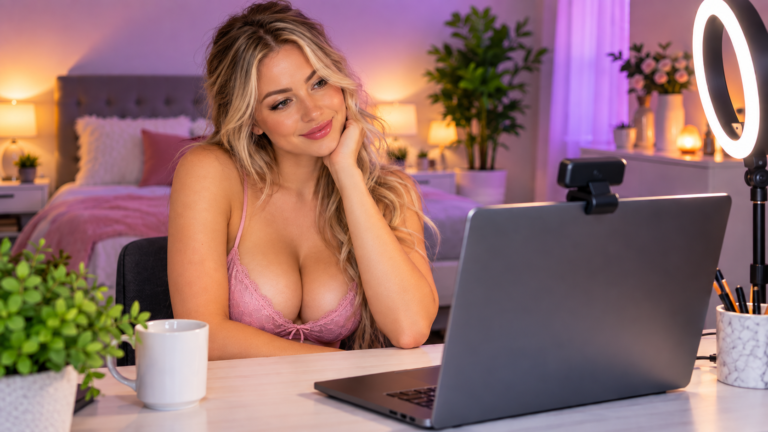
Starting webcam modeling is easier when you know what often goes wrong.
Most new models are learning several things at once: how the platform works, how to price themselves, how to use the equipment, how to interact with viewers, and where to set personal boundaries.
Mistakes are normal. The goal is to recognize the ones that can cost you time, money, privacy, or confidence.
These new webcam model mistakes are common, but you can avoid most of them with a little preparation.
1. Starting Without Understanding the Platform
Every cam platform works differently.
Before going live, learn the basics:
- How private shows work
- How tips are paid
- What tokens or credits are worth to you
- How withdrawals work
- What content is allowed
- What can lead to warnings or account suspension
- What privacy and blocking tools are available
Do not assume that because you understand one cam site, another will operate the same way.
Spend some time reading the platform’s model help pages before your first serious broadcast.
2. Setting Prices Too Low
New models sometimes think they need to be cheaper than everyone else to attract viewers.
That can work temporarily, but it can also create a lot of work for relatively little return.
Very low prices may also attract viewers who are primarily looking for bargains rather than becoming regular customers.
A better approach is to start with a reasonable price and adjust it based on actual results. Our guide to setting your webcam model rates explains how to price private shows and tips more carefully.
Track how many private shows you receive, how long they last, and how much you earn per hour.
The goal is not to have the cheapest room.
The goal is to make your time worthwhile.
3. Copying Other Models Too Closely
Watching experienced models can be useful.
You can learn about lighting, room presentation, conversation, pricing, and how different platforms work.
But copying another model’s personality or style rarely works well.
That model may have spent years building an audience.
Their pricing may reflect thousands of followers and loyal regulars.
Use successful models for ideas, but develop a style that feels natural to you.
Viewers usually respond better to someone who appears comfortable than someone trying to imitate another performer.
4. Ignoring Lighting and Camera Position
You do not need expensive equipment to create a good-looking stream.
Good lighting and camera placement often make a bigger difference than buying a costly webcam.
Try to place your main light in front of you rather than directly behind you.
Keep the camera around eye level when possible.
Before going live, look at your own stream and check:
- Is your face clearly visible?
- Are there heavy shadows?
- Is the image too dark?
- Is the camera too low or too high?
- Is the background distracting?
Small adjustments can noticeably improve the room.

5. Using a Distracting Background
Your background affects both presentation and privacy.
A cluttered room can distract viewers, while personal items can reveal information you did not intend to share.
Look carefully at everything visible on camera.
Remove items such as:
- Address labels
- Personal photographs
- Work documents
- Medication bottles
- School information
- Anything that could reveal your exact location
You do not need an expensive studio.
A clean, comfortable and intentional background is enough.
6. Streaming Without a Schedule
Going live at random times can make it harder to build a regular viewer base.
You do not need to stream every day.
A smaller, reliable schedule can work better than constantly changing your hours.
For example, three or four regular sessions each week give viewers a better chance of finding you again.
Test different times and pay attention to which sessions perform best.
Consistency makes it easier to learn what works.
7. Staying Online Too Long on Slow Days
A slow room can make a new model think the answer is to stay online longer.
Sometimes more time helps.
Sometimes it turns a three-hour slow session into a seven-hour slow session.
Track your earnings per hour.
If a particular time repeatedly performs poorly, test another time of day instead of automatically adding more hours.
More hours do not always mean more efficient earnings.
8. Talking Only When Someone Tips
Many viewers watch for a while before deciding whether to interact.
If the room is completely silent, they may leave before you give them a chance.
You do not need to talk constantly.
But greeting viewers, having light conversation, reacting naturally and keeping some energy in the room can make it more welcoming.
Personality can be just as important as appearance.
9. Trying to Please Every Viewer
Some viewers will ask for discounts.
Some will ask personal questions.
Others may request things you are uncomfortable doing.
You don’t need to agree to everything just because someone is willing to pay.
Decide your boundaries before going live.
Know what you will do, what you will not do, and what information you will keep private.
A paying viewer still has to respect your boundaries and the platform’s rules.
10. Offering Too Many Things at Once
It is easy for a new model to overcomplicate the business.
You may be tempted to create:
- A huge tip menu
- Multiple private-show options
- Fan memberships
- Custom content
- Several social accounts
- Multiple cam-platform accounts
- Off-platform messaging
Starting with everything at once can become difficult to manage.
Keep your first setup simple.
Learn the platform.
Understand what viewers actually purchase.
Then add new options gradually.
11. Ignoring the Business Side
Cam modeling involves more than being on camera.
You should understand the numbers.
Track things such as:
- Hours streamed
- Total earnings
- Actual payout received
- Platform fees or revenue share
- Withdrawal fees
- Equipment expenses
- Earnings per hour
You do not need sophisticated accounting software when you are starting.
A simple spreadsheet can provide valuable information.
Without tracking results, it is easy to feel busy without knowing whether the work is actually profitable.
12. Spending Too Much on Equipment Too Soon
A better camera, professional lighting and upgraded computer equipment can improve a stream.
But buying everything before you know whether you enjoy cam modeling can be expensive.
When possible, start with the equipment you already have.
Upgrade the parts of your setup that are actually causing problems.
For many beginners, useful early improvements include:
- Better lighting
- Reliable internet
- A decent webcam
- A stable camera position
- Clear audio
You can improve the room gradually as your income justifies it.
13. Forgetting About Audio
Video gets most of the attention, but poor audio can quickly frustrate viewers.
Test your sound before you start.
Listen for:
- Background noise
- Echo
- Fan noise
- Loud music
- Very low microphone volume
- Distortion
You may not need a separate professional microphone.
You do need viewers to understand you comfortably.
14. Expecting Every Day to Earn the Same Amount
Cam income can change from one session to another.
A great Monday doesn’t guarantee an equally good Tuesday.
A quiet session does not automatically mean you are doing something wrong.
Look at averages over several weeks rather than judging your progress from individual days.
Patterns are more useful than isolated results.
15. Depending Too Much on One Regular Viewer
A generous regular customer can make a major difference to a model’s income.
But relying heavily on one viewer creates risk.
That person may:
- Stop using the platform
- Spend less
- Move to another model
- Change financial circumstances
- Disappear
Treat regular viewers well, but continue building a broader audience.
A business supported by several paying viewers is more stable than one dependent on a single person.
Build a Stronger Cam Model Routine
Explore our Cam Model Resources for practical guides on scheduling, consistency, room setup, privacy, earnings, and more.
16. Ignoring Account Security
Protect your cam account, email address, and payment accounts carefully.
Use strong, unique passwords.
Enable two-factor authentication when it is available.
Don’t share your password or verification codes with anyone.
Be cautious when someone contacts you claiming they can manage your account, increase your traffic or guarantee income.
Account security is part of running the business.

17. Moving Off the Platform Too Quickly
Some viewers may immediately ask you to communicate or accept payment somewhere else.
That can introduce additional privacy, payment and safety risks.
Understand your cam platform’s rules before moving communication or transactions elsewhere.
Do not assume an off-platform payment promise is automatically safer or more profitable.
You may lose platform protections when you move outside it.
18. Comparing Yourself Constantly With Top Models
The busiest models you see may have been working for years.
They may already have:
- Large follower lists
- Loyal regular viewers
- Social media audiences
- Professional equipment
- Years of experience
- Established schedules
Comparing your first month with someone else’s fifth year does not tell you much.
Measure your own progress instead.
Are more viewers returning?
Are your earnings improving?
Are you becoming more comfortable on camera?
Are you learning which hours work best?
Those are more useful measurements.
19. Not Reviewing What Worked
After each session, spend a couple of minutes recording what happened.
You might write down:
- What time you streamed
- How long you were online
- Total earnings
- Number of private shows
- Which activities received tips
- Whether the room was busy or quiet
- Any technical problems
After several weeks, patterns become easier to see.
You can then make decisions using your own results instead of guessing.
20. Giving Up Before You Have Enough Information
Some new models expect immediate results.
If their first few broadcasts are quiet, they may decide the platform does not work.
Sometimes a platform genuinely is not a good fit.
But a handful of sessions usually does not provide much information.
Give yourself enough time to test different:
- Schedules
- Prices
- Camera setups
- Room styles
- Conversation approaches
Then look at your results.
Cam modeling is not guaranteed income, and it will not suit everyone.
But if you choose to try it, give yourself enough time to learn before deciding whether it works for you.
Focus on Improvement, Not Perfection
New webcam models make mistakes.
That is part of learning.
You don’t need the perfect room, perfect camera, or perfect strategy on your first day.
Start simple.
Protect your boundaries.
Track your earnings.
Improve your setup gradually.
Stay consistent long enough to learn what works.
Most importantly, make decisions based on what happens in your room, not what someone else promises.
For a realistic look at the income side of the business, read our guide to how much webcam models can earn and the factors that cause earnings to vary between models.